What to Expect When Clearing a Lot in the Chicago Suburbs
Lot clearing — for a build, an addition, a garden, or just to reclaim a yard taken over by buckthorn — looks simpler than it is. Permits, debris hauling, and protected trees all get involved. This guide walks through what actually happens, in what order, so you can plan it instead of being surprised by it.
Many lots in the Chicago Southland have a mix of mature trees worth retaining, invasive brush, access constraints, and local rules worth checking before work starts.
What Actually Counts as Lot Clearing
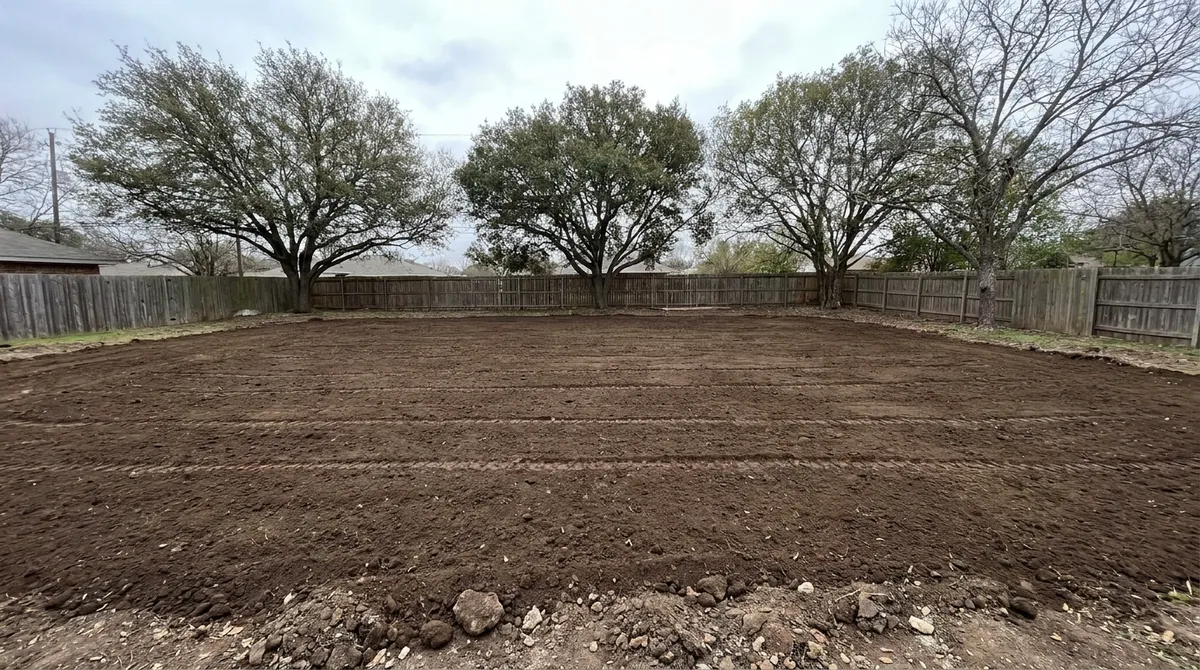
Lot clearing is the broad term for removing trees, brush, stumps, and undergrowth from a parcel of land. It can be a partial clearing (keep the big oaks, remove the brush) or a full clearing (down to bare ground for construction).
Selective clearing is more common in residential settings. Full clearing is more common when a builder is involved.
Either way, the work is part chainsaw, part chipper, part hauling, and part decision-making about which trees stay.
The Order of Operations
A typical lot clearing job moves through these stages, in roughly this order:
- Walk the lot with the homeowner. Mark trees that stay, trees that go, and any property lines or utilities to protect.
- Confirm necessary permits. Municipalities may regulate parkway trees, protected trees, land disturbance, or disposal.
- Take down the trees and brush. Larger trees come down in pieces if anything important is nearby.
- Run everything through a chipper or stack it for hauling. Trunk wood often goes to firewood; brush goes to chips.
- Grind or extract stumps as agreed. Grinding is faster and cheaper; full extraction is for footprints under future construction.
- Final grade and cleanup. Rake, blow off the driveway, and leave the site ready for whatever is next.
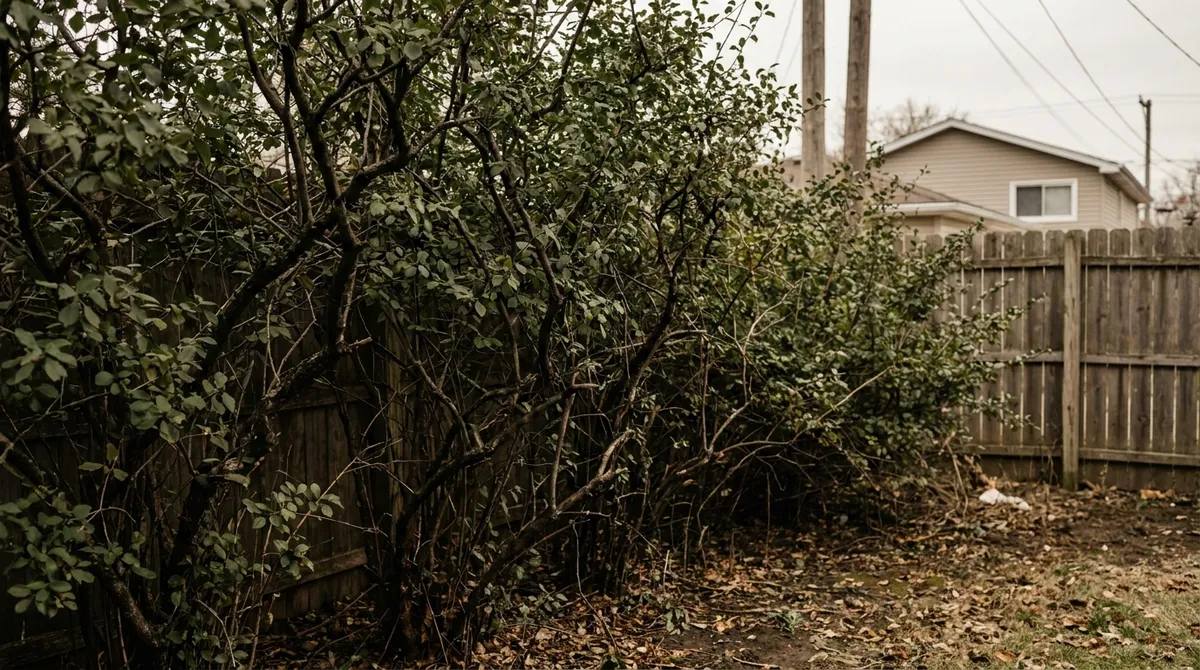
The Buckthorn Problem
European buckthorn is the most common invasive species we deal with in the Chicago suburbs. It forms dense, thorny thickets that block light from native trees, crowd out wildflowers, and get harder to remove the longer they sit.
Clearing buckthorn properly means cutting it low and treating the cut stump promptly so it does not resprout. If you only cut the tops, you will have it back, denser, within two seasons.
For most yards taken over by buckthorn, one thorough clearing followed by a second pass the following year is enough to break the cycle.
Permits and Protected Trees
Local rules vary, but a few planning principles apply across the region:
- Parkway trees (between sidewalk and street) almost always need a permit before removal.
- Some villages have heritage or protected tree ordinances that cover oaks and other large natives over a certain diameter.
- For new construction, the Chicago Tree Protection Ordinance and many suburban equivalents require fencing around protected trees during the build.
- HOAs often add their own approval layer on top of village rules.
What Happens to the Wood and Debris
Cleared material breaks down into a few categories:
- Trunk wood — usually cut into rounds for firewood. Some homeowners keep it; others have it hauled.
- Brush and small branches — chipped on site and hauled away or spread as mulch on remaining beds.
- Stumps — ground or extracted depending on what is going on top.
- Buckthorn — chipped or burned where local rules allow. Never composted whole; the seeds stay viable.
Disposal is usually included in the quote. If a contractor charges separately for hauling, ask why before you sign.
Frequently Asked Questions
How much does lot clearing cost in the Chicago suburbs?
It varies a lot by lot size, density, and how many large trees are involved. A small back-corner buckthorn clear may cost a few hundred; a half-acre full clear with several mature trees can run into the thousands. Always get an on-site estimate.
Do I need a permit to clear my own land?
For trees on private property, often no — but parkway trees, protected species, and any work tied to construction usually require one. Always confirm with your village before starting.
How long does a typical lot clearing take?
A small residential clear is often a single-day job. A larger, denser, or more permit-heavy lot can stretch over several days, sometimes split between an active phase and a cleanup phase.
What is the best time of year to clear a lot in Illinois?
Late fall through early spring is ideal — frozen or firm ground holds equipment better, less mess to your turf, and dormant trees are easier to fell cleanly. Summer clearing is doable but harder on the lawn.
If you are weighing a clearing project, JDS Tree Service can review the site and provide a written scope for tree, brush, stump, and debris work.